Research
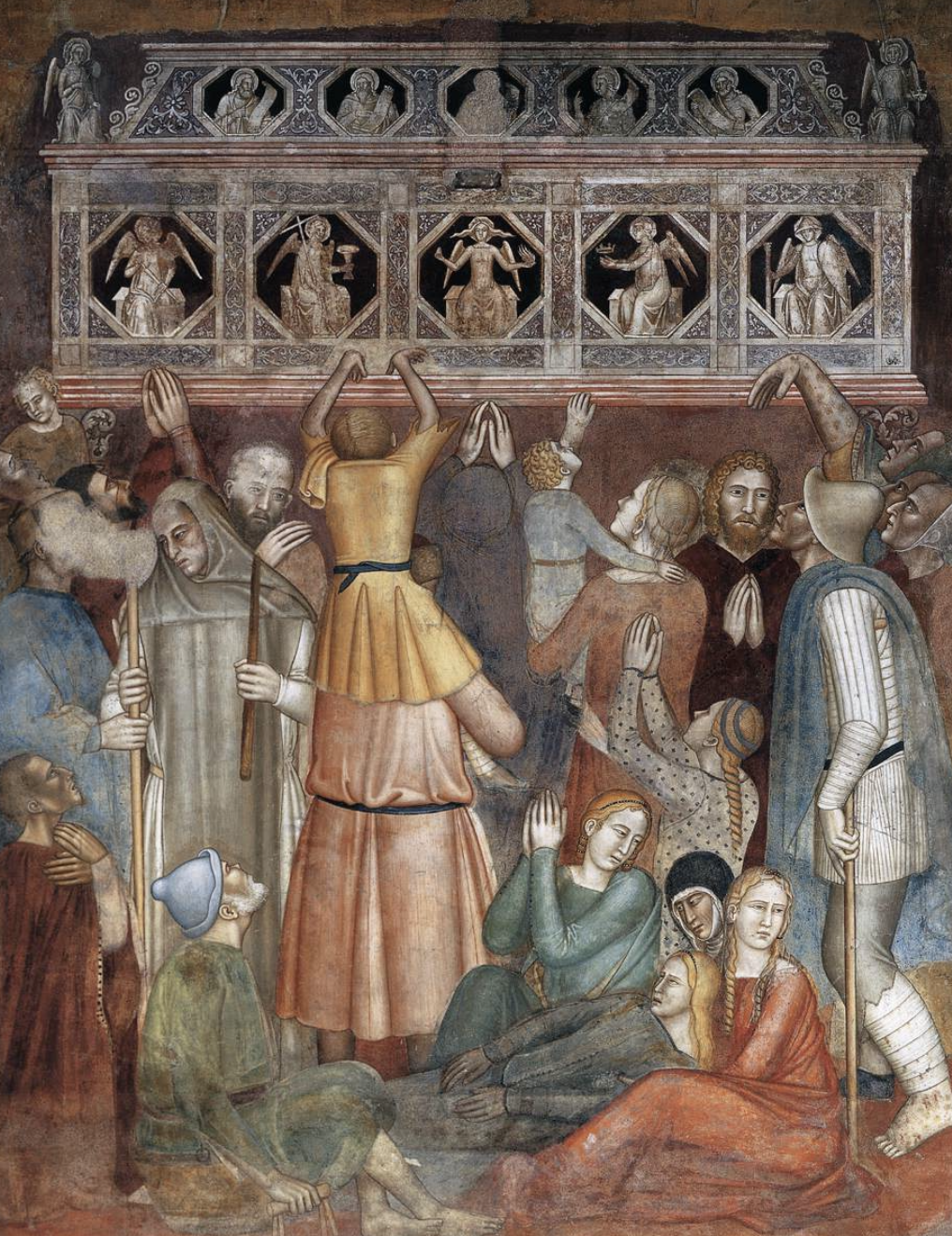
Presently, I am working on my next book—Gothic Pilgrimage: Sites, Shrines, and Pilgrim Experience in Europe and the Holy Land, c. 1250–1450. This study aims to present a selection of monumental European pilgrimage shrines and sites from the perspective of the pilgrim during the Gothic era. I chose this unifying theme—that of pilgrimage—because it represented a type of activity that was practiced by a sizable number of the late medieval population, on some level, however grand or modest. Indeed, in the fourteenth century, a two-days walk to visit a small, local religious shrine would have been regarded as a pilgrimage. It was an activity that involved all segments of society, from the Pope issuing indulgences for visiting a particular shrine to the bishops seeking to expand the size of their cathedrals to accommodate the crush of pilgrims seeking remission, to the custodians responsible for unlocking the gates to the shrine, to trinket sellers who promoted their inexpensive lead or clay badges that pilgrims would attach to their hats and staffs.
Although the perspective taken in this study is through the eyes of the pilgrim, moving from site to site over a period of days, weeks, and months, this perspective is not entirely foreign to modern pilgrims, tourists, and travelers. While the perspective of the modern viewer is of a decidedly tertiary concern here, it is nevertheless of value in that it represents one way of experiencing the visual arts of the Gothic era that aligns with those of the mid-fifteenth century. For all the differences between our experience and those of the Gothic pilgrims, perhaps standing before these monumental shrines is the one experience we can have in common.
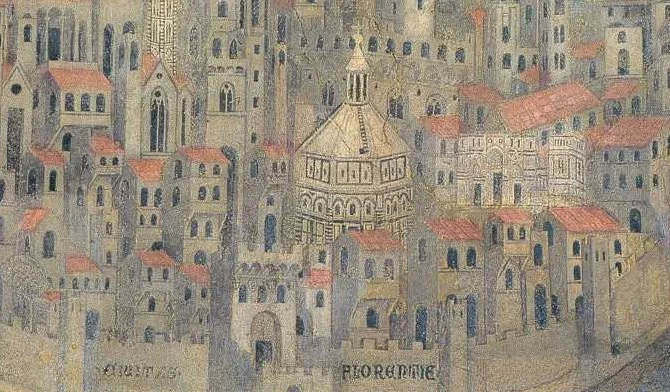
In addition to my work on pilgrimage sites, I continue to publish on the art and architecture associated with the Compagnia di Santa Maria della Misericordia, a lay-confraternity in Florence. Presently, I am preparing an essay that considers representations of the Misericordia’s site within the urban fabric of the late-medieval city.
On other matters Italian, I am working on an essay that considers the role of Trecento art in E.M. Forster’s A Room with a View.
Regarding my on-going research on Fort Marion (St. Augustine, FL), I continue to work on my catalogue of the stereo photographs that were made of the Plains Indians who were held captive there from 1875 to 1878.
